ICT & MULTIMEDIA
Live Streaming Full Scale Static Test
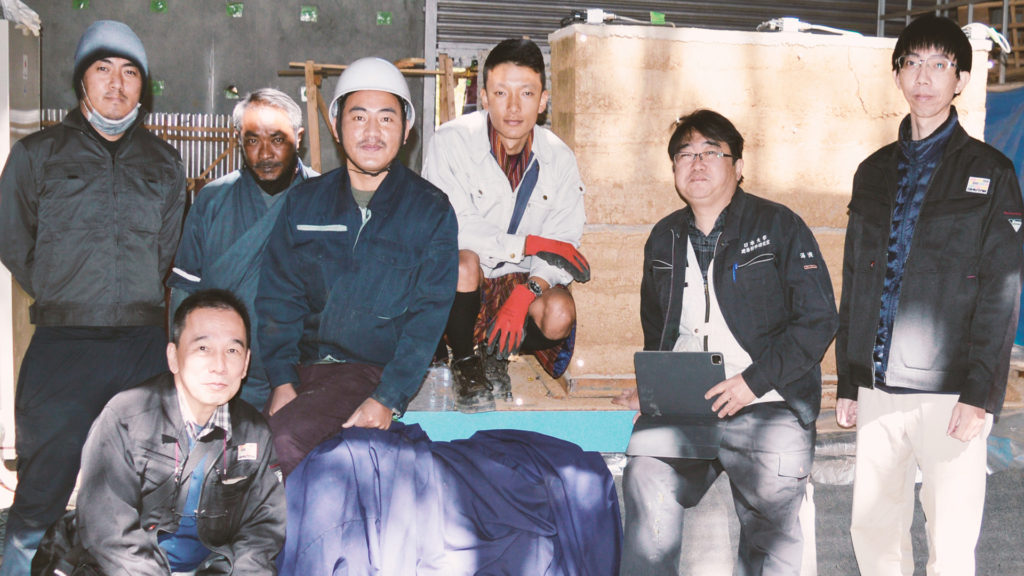
Being part of the SATREPs project was a rewarding experience that allowed me to contribute to an international collaboration between Japan and Bhutan focused on improving earthquake resilience in buildings. Although my background is not in engineering or architecture, I was able to support the project by helping address a communication challenge during the COVID-19 pandemic.
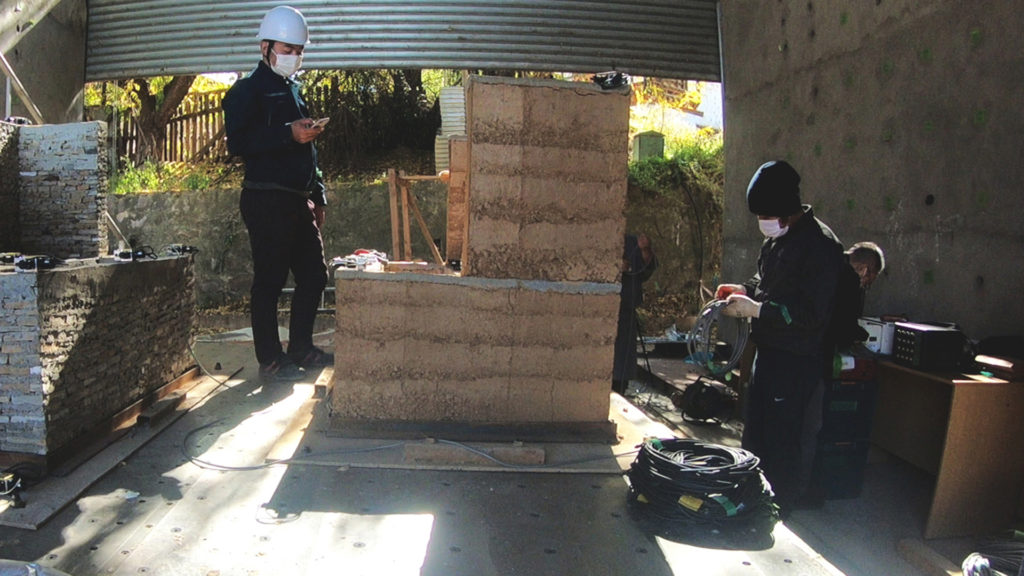
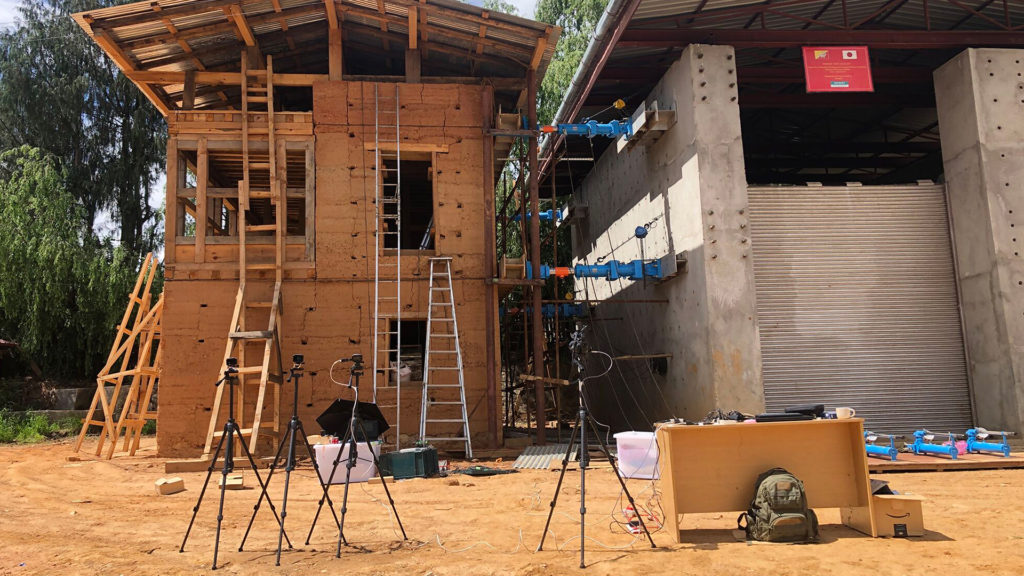
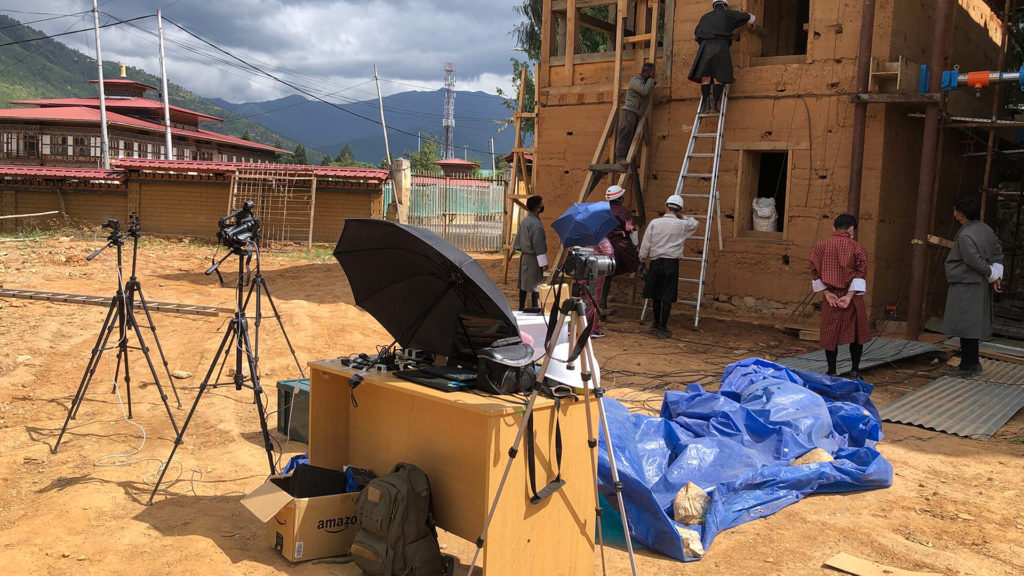
Due to travel restrictions, Japanese engineers were unable to attend the Full-Scale Static Test in Bhutan in person. To enable remote participation, I assisted in setting up a live-streaming system that allowed Bhutanese and Japanese engineers to communicate and observe the testing process in real time.
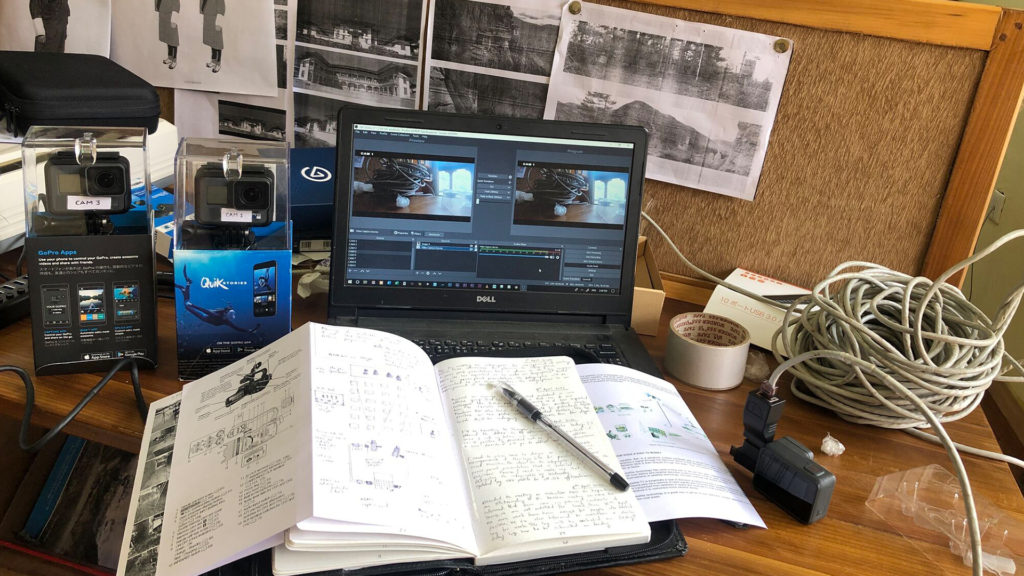
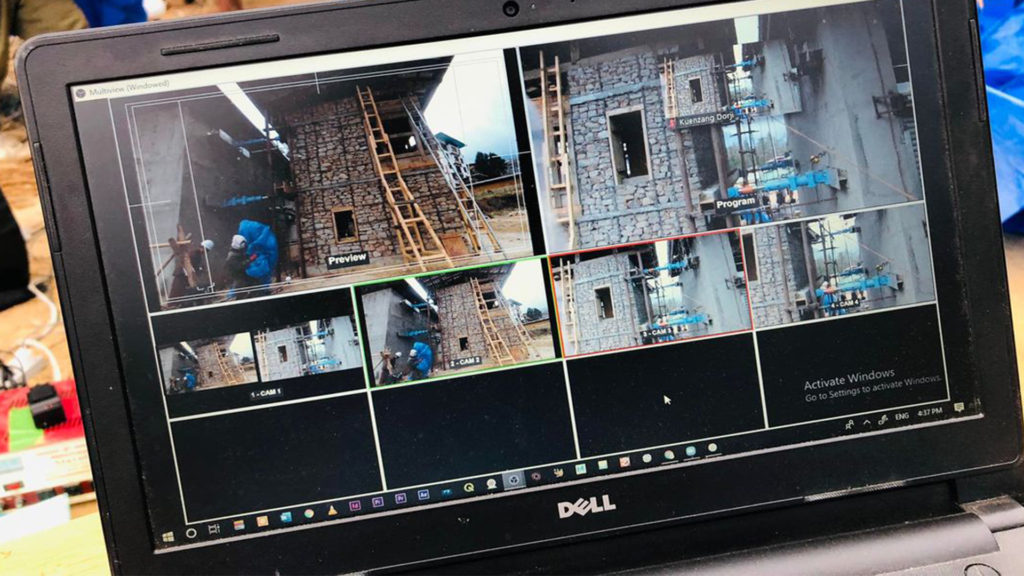
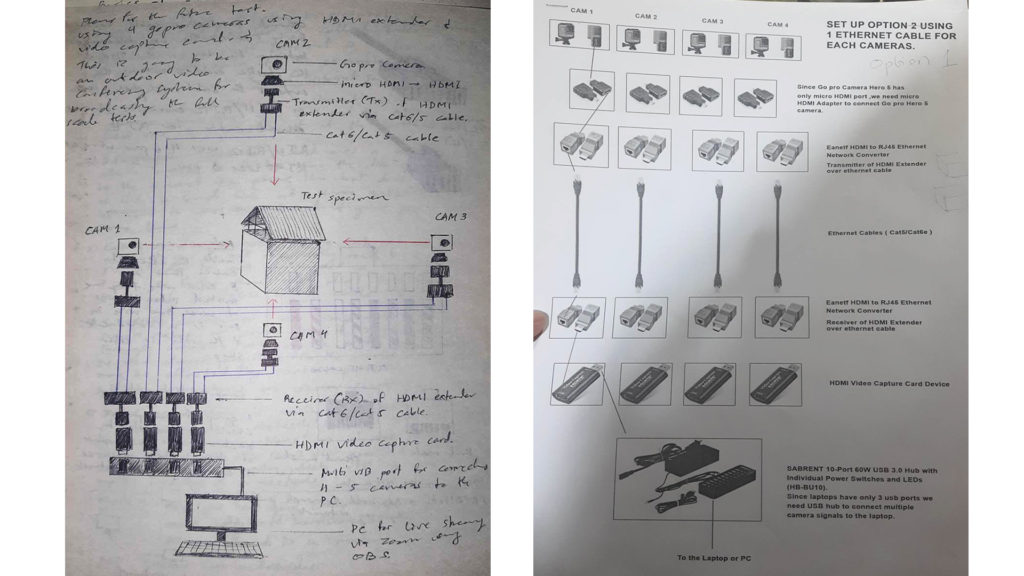
Drawing on experience gained while working at a television station, I helped design and implement a simple multi-camera setup using three GoPro cameras and a Canon XA10. The video feeds were connected to a laptop and managed through Open Broadcaster Software (OBS), allowing seamless switching between camera angles during the broadcast.
The system used HDMI-to-Ethernet extender adapters, Ethernet cabling, and an Elgato capture card to transmit and capture video signals. Zoom was then used to stream the feeds, creating a virtual meeting environment that enabled engineers in both countries to collaborate despite the travel restrictions.
This experience gave me the opportunity to apply practical media-production and technical problem-solving skills in a new context. It also demonstrated how relatively simple technologies can be combined to support effective collaboration when traditional methods are not possible.
Live Streaming Test using OBS
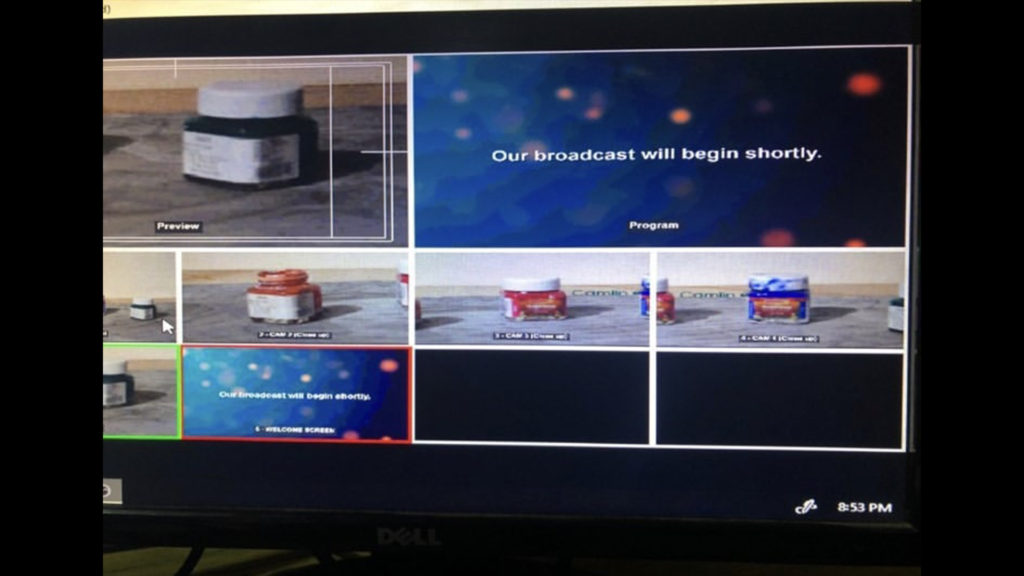
When I initially began utilizing OBS (Open Broadcaster Software), I recognized its potential and desired to delve deeper into its functionalities. My aim was to explore its capabilities for establishing a broadcasting system, enabling me to live stream, switch cameras in real-time, and incorporate graphics and animations. Unable to conduct tests with real subjects, I had to conceptualize a mock setup, using acrylic color bottles (red and blue) as characters on a TV screen.
With my camera connected to the laptop for live streaming, I also implemented a lower-third graphics animation for the red and blue bottles, along with an advertisement screen for breaks. Once everything was configured, I conducted a live stream test on Facebook and Zoom, inviting a few friends to provide feedback on the functionality. After multiple tests, I refined the setup until I achieved an optimal configuration.
Having established the perfect setup, I began integrating OBS into my actual work during Zoom meetings and events.
Website Design
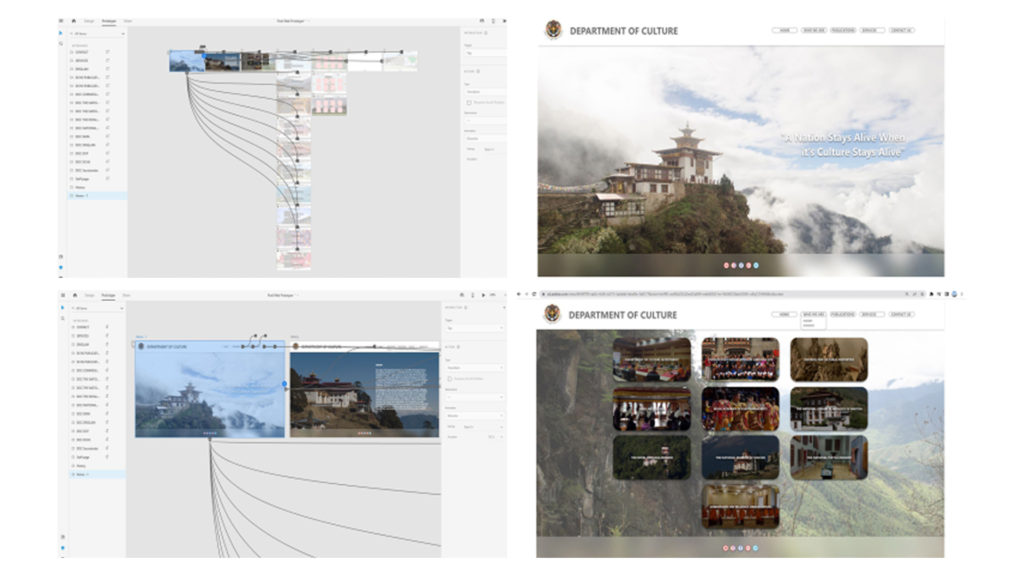
During my time at the Department of Culture, I was involved in the conceptual design and development of the department’s website. Using Adobe XD, I created the initial website prototype, focusing on the overall layout, user experience, and visual structure of the site. I also designed several graphic icons that were incorporated into the website to support its visual identity and navigation.
The prototype served as a reference for the website’s development and helped communicate the design direction and functionality requirements. Based on this prototype, an external company was later engaged to develop and implement the final website.
Through this project, I gained experience in user interface design, prototyping, and visual communication, while learning how design concepts are translated into a fully functional website through collaboration with development teams.